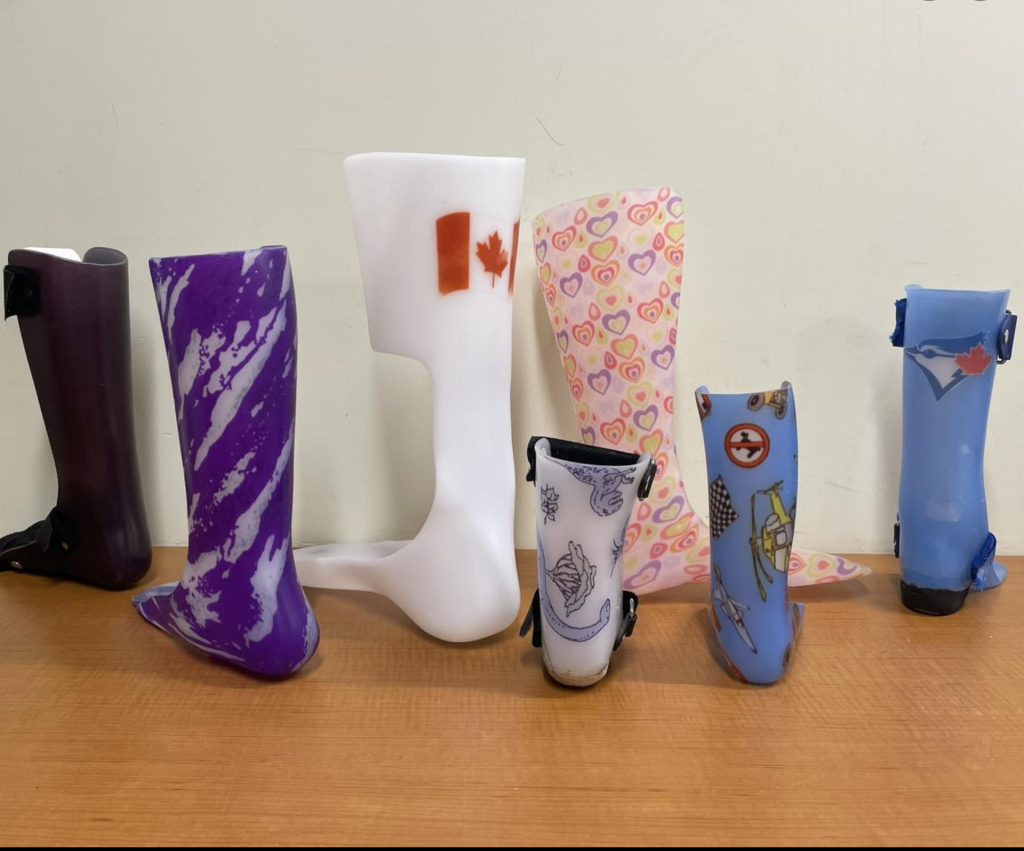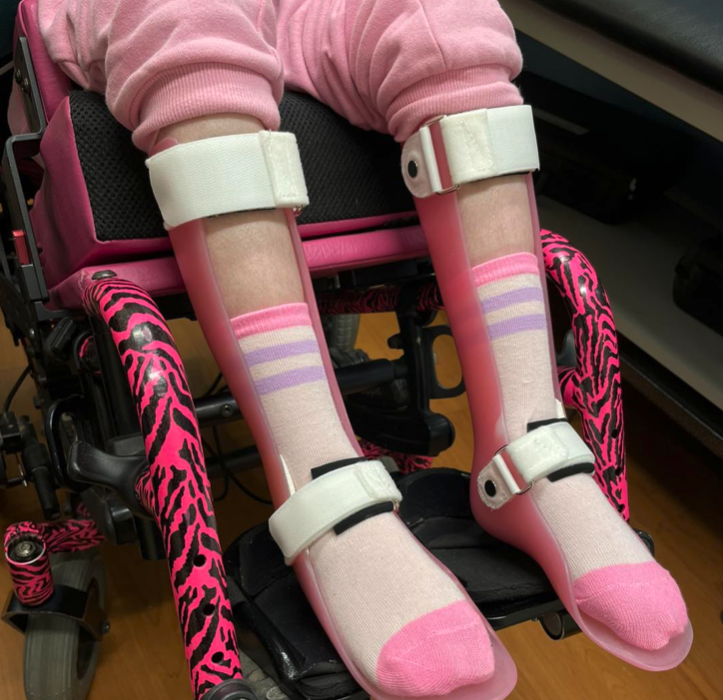
What Is An AFO?
An Ankle-Foot Orthosis (AFO) is a type of orthotic device that provides support and stabilization to the ankle and foot.
It is commonly used to address various conditions affecting the lower limb, such as foot drop, ankle instability, muscle weakness, and gait abnormalities.
The primary purpose of an AFO is to control the motion and alignment of the ankle and foot, thereby improving stability, promoting proper walking mechanics, and enhancing functional mobility. It helps individuals with impaired muscle control or weakened muscles to maintain a more normal gait pattern, preventing tripping, falls, and other complications.
AFOs are typically made of lightweight, durable materials such as thermoplastics or carbon fiber composites. The choice of material depends on factors such as the individual’s specific needs, level of activity, and the functional goals of the orthotic intervention.
There are different types and designs of AFOs, each tailored to address specific conditions and requirements:
Solid AFO: This type of AFO is a rigid brace that extends from below the knee to the foot. It provides maximum control and stability to the ankle and foot. Solid AFOs are commonly used in cases of severe foot drop, spasticity, or significant instability.
Articulated AFO: An articulated AFO has hinged or movable components that allow limited ankle movement. This type of AFO is often prescribed when some degree of ankle motion is desirable or when there is a need for easier shoe fitting.
Posterior Leaf Spring AFO: This AFO design consists of a flexible, lightweight plastic strip that runs along the back of the lower leg and attaches to a footplate. It is commonly used for individuals with mild to moderate foot drop, providing support during the swing phase of gait while allowing a more natural ankle motion during the stance phase.
Dynamic AFO: A dynamic AFO incorporates an energy-storing component, such as a carbon fiber spring, to assist with ankle dorsiflexion during walking. It is often used in cases where there is muscle weakness or a need for additional push-off power.
The selection of the appropriate AFO depends on factors such as the individual’s diagnosis, functional goals, gait analysis, and the recommendations of the orthotist or healthcare professional. Proper fitting, alignment, and adjustments are crucial to ensure optimal function and comfort. Orthotists work closely with patients, conducting thorough assessments, taking measurements, and customizing the AFO to provide a personalized and effective orthotic solution.
It’s important to consult with a qualified orthotist or healthcare professional to determine the most suitable type of AFO and to ensure proper assessment, fitting, and ongoing care to achieve the best outcomes.